
The Essential Guide to Senior Cat Health Monitoring: Why 24/7 Care Is Non-Negotiable
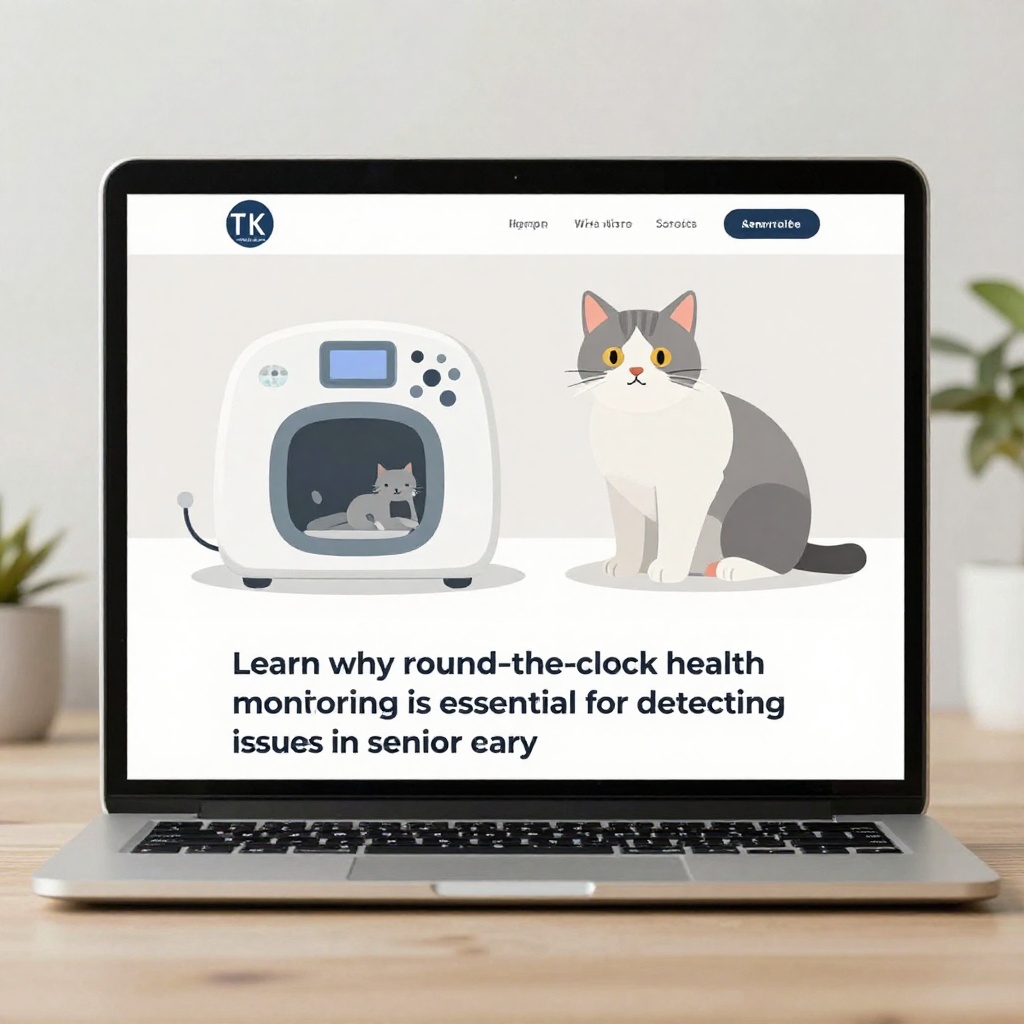
The Essential Guide to Senior Cat Health Monitoring: Why 24/7 Care Is Non-Negotiable
As your whiskered companion enters their golden years, the bond you share grows even warmer, and so do the responsibilities that come with care. Senior cats—usually 11 years and older—bring immense comfort, but they also face health challenges that demand steady, attentive monitoring. Cats are masters at masking pain, often hiding signs until problems become serious. That reality is exactly why senior cat health monitoring matters. With roughly six months in a cat’s life equating to about three and a half human years, subtle changes can escalate quickly. In this guide, we’ll explore why around-the-clock care matters, the risks of sporadic observation, and how modern technology—like MyCatsHome’s solutions—can transform elderly cat care so your pet stays comfortable and safe.
The Silent Struggle: Understanding Senior Cat Health Dynamics
Aging in cats is a nuanced journey, marked by slow declines that can easily slip by unnoticed. Veterinary resources emphasize regular check-ups because cats age quickly and early detection is key. Yet visits alone aren’t enough. Cats instinctively conceal weakness—a survival trait—so they might simply quiet down or seek solitude when unwell. For many pet parents, this means leaning on constant observation to catch signs like increased sleep or a waning appetite, which could signal an issue beyond mere aging. Senior cat health monitoring bridges this gap by delivering ongoing insights into your cat’s wellbeing, turning passive care into proactive prevention.
Accelerated Aging and the Need for Vigilance
Senior cats undergo physiological changes similar to elderly humans, including reduced mobility, sensory decline, and greater susceptibility to chronic conditions like kidney disease or arthritis. Veterinary resources note that signs such as cloudy eyes or hearing loss can develop gradually. Without continuous monitoring, crucial cues may be missed, delaying treatment. This is precisely why 24/7 surveillance matters, mirroring the constant care found in veterinary critical units. At home, this level of diligence can prevent emergencies and improve quality of life.
Why 24/7 Monitoring is a Lifesaver for Aging Pets
Intermittent checks aren’t enough—health can dip at any hour. Picture your cat waking in pain at night or showing subtle behavioral shifts while you’re away; gaps in monitoring let these moments slip by. Senior cat health monitoring that runs non-stop ensures no symptom goes unseen, from appetite changes to shifts in sleep patterns. This aligns with veterinary best practices, where early intervention depends on timely data. For example, a sudden drop in water intake—a common issue in older cats—can quickly lead to dehydration or kidney stress. With 24/7 oversight, you can spot these trends early and adjust care, whether that means dietary tweaks or prompt vet visits.
The Role of Technology in Continuous Care
That’s where MyCatsHome comes in, offering smart solutions that make around-the-clock monitoring practical and effective. Our Smart Health Monitoring System is designed for aging pets, weaving in AI-driven features like AI Pain Detection and AI Emotion Analysis to read your cat’s wellbeing beyond what you can see. By tracking movements, vocalizations, and behaviors 24/7, it flags anomalies that might signal discomfort or illness, such as arthritis pain or stress. Paired with the AI Cat Door, which includes AI Object Interception to prevent intruders or other animals from entering, it creates a safe home tailored to senior cats’ reduced agility. The Weather-Resistant Design ensures reliability, while the Premium Membership unlocks deeper analytics for a holistic health view. This ecosystem turns your home into a proactive care hub, giving you real-time data to guide decisions.
Beyond Detection: Holistic Elderly Cat Care Enhanced by Monitoring
Technology is a game-changer, but comprehensive care for older cats involves many layers. As feline nutrition guides note, seniors may become finicky eaters or struggle with hydration, necessitating dietary tweaks like wetter foods or adding broth to water. Continuous monitoring supports this by tracking food and water intake patterns, flagging declines that could signal issues. Environmental adjustments—like keeping furniture stable for vision-impaired cats or adding non-slip surfaces—are also crucial. MyCatsHome’s systems monitor activity levels and rest patterns, helping you tailor the home for comfort and safety. For example, if the AI detects reduced mobility, it might suggest ramps or softer bedding to boost daily life.
Integrating Monitoring with Routine Veterinary Care
Effective senior cat health monitoring doesn’t replace vet visits; it enriches them. By providing veterinarians with continuous data—from sleep cycles to potential pain indicators—you enable more accurate diagnoses and personalized treatment plans. This collaborative approach mirrors the intensive care used in veterinary hospitals, where constant monitoring leads to better outcomes. For pet parents, it means peace of mind, knowing your cat’s health is guarded between check-ups. MyCatsHome’s tools help with this by generating shareable reports through Premium Membership, making vet collaboration smoother and more proactive.
Actionable Steps for Implementing 24/7 Senior Cat Health Monitoring
To begin, assess your senior cat’s current routine and baseline health. Observe their usual behaviors—sleep spots, eating patterns, social interactions—so you can spot deviations quickly. Invest in reliable monitoring tech, such as MyCatsHome’s Smart Health Monitoring System, which offers non-intrusive, 24/7 surveillance that won’t disrupt your cat’s comfort. Pair this with regular grooming, as older cats may struggle with self-care, and ensure their diet supports aging needs, perhaps with veterinary-recommended therapeutic foods for kidney concerns. Arm yourself with knowledge about common age-related signs and use monitoring data to spot trends early. The goal is a supportive ecosystem where technology and hands-on care work together to help your senior cat enjoy their twilight years with dignity and health.
Leveraging AI for Proactive Health Management
MyCatsHome’s AI features take monitoring to the next level. For example, AI Emotion Analysis can detect stress or anxiety from behavioral cues, letting you adjust the environment—like reducing noise or offering more hiding spots. AI Pain Detection identifies subtle signs of discomfort, such as limping or reluctance to jump, prompting early intervention. This proactive stance is vital for seniors who may not vocalize pain. By integrating these tools, you’re not just reacting to problems but preventing them, the core idea of continuous care. The AI Cat Door adds another layer by controlling access, helping your cat stay indoors during harsh weather or avoid conflicts with other pets, which is especially important for less agile seniors.
Conclusion: Embracing a New Standard in Senior Cat Care
Looking after a senior cat is a meaningful journey of love and responsibility. In a world where cats hide vulnerabilities, 24/7 monitoring becomes a vital ally for safeguarding health and happiness. From catching early signs of decline to enabling timely vet care, continuous observation shifts how we support aging pets. MyCatsHome’s innovative gear—like the Smart Health Monitoring System and AI Cat Door—offers cutting-edge tech that fits naturally into daily life, bringing peace of mind and enhanced well-being for your feline friend. As you navigate the joys and challenges of elder-cat care, remember that proactive senior cat health monitoring isn’t optional—it's a commitment to making every moment of their golden years comfortable, safe, and joyful. Embrace this new standard, and let tech be your ally in nurturing the timeless bond with your senior cat.