
Early Illness Detection in Cats: Spotting Subtle Signs with Smart Technology
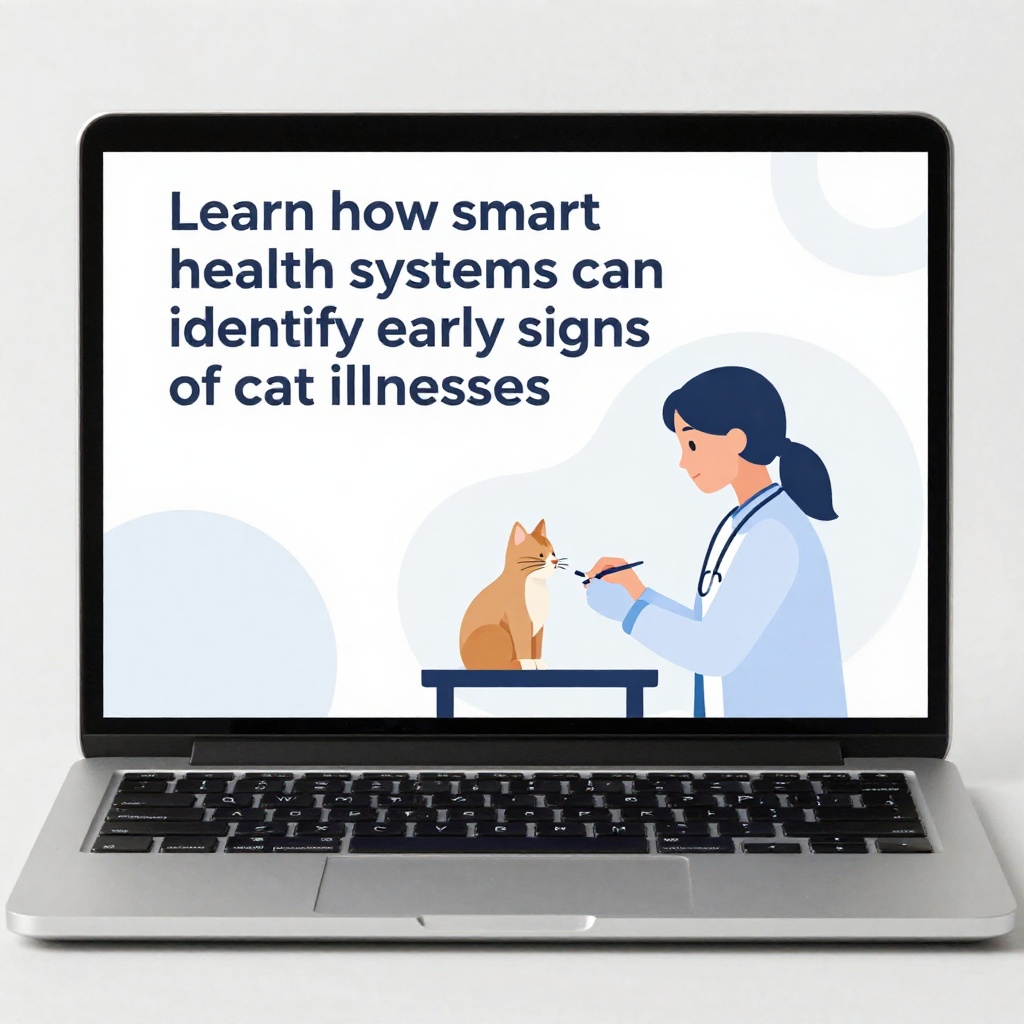
Early Illness Detection in Cats: Spotting Subtle Signs with Smart Technology
Cats are masters of disguise—especially when it comes to health. They often mask symptoms until problems become obvious, which is why early illness detection in cats is such a vital skill for every responsible pet parent. The American Association of Feline Practitioners (AAFP) notes that small shifts in behavior or routine can be the first red flags, easily mistaken for mischief rather than misery. In this guide, I’ll walk you through how to notice these early signals, why regular veterinary care matters, and how modern tech—think AI-powered health monitoring—can help you protect your feline friend before things spiral. Whether you’re a seasoned cat owner or a gadget-loving pet guardian, understanding these ideas can change how you approach cat wellness.
The Silent Sufferers: Why Cats Hide Illness
In the wild, showing weakness makes a cat a target for predators, so evolution has hardwired them to mask discomfort. That means by the time you see obvious symptoms, the illness may already be advanced. Feline health resources consistently point out that cats may disappear or recoil when unwell, a behavior rooted in self-preservation. Recognizing this tendency is the first step toward effective early illness detection cats rely on. It’s up to us, as attentive guardians, to translate their quiet language of distress.
Evolutionary Traits and Modern Implications
This instinctual behavior persists even in cozy home settings. A cat might quiet down, sleep more, or avoid interaction—changes that could be mistaken for aging or mood swings. Yet these can be early warnings. Reference materials stress that cats excel at concealing sickness and may show few or no signs at all. Regular observation and routine checks are essential to catch issues early rather than later.
Key Early Symptoms to Watch For in Cats
Early detection hinges on knowing what to look for. Here, I’ve grouped signs into behavioral, physical, and habitual categories, drawing on veterinary insights like those in The Complete Cat’s Meow and AAFP guidelines.
Behavioral Red Flags
Small shifts in behavior are often the earliest indicators. Look for more hiding, less activity, or changes in social dynamics—like a normally affectionate cat becoming aloof. Aggression or irritability can also signal pain or discomfort. The AAFP lists these signs as key reasons to call a veterinarian. If your cat starts avoiding her favorite spots or seems “naughty,” it might be a cry for help.
Physical Clues You Can’t Ignore
Physical symptoms require careful watching. Changes in weight, coat condition (matted fur or excessive shedding), and grooming habits can flag underlying issues. Routine health guides remind us that feeling ears or paws isn’t enough—internal temperature matters, and rectal thermometers can stress cats. Instead, opt for veterinary-specific ear thermometers for at-home checks when advised. Also note eye or nose discharge, limping, or swelling.
Appetite and Elimination Patterns
Shifts in eating, drinking, or litter box use are critical signals. A reduced appetite, increased thirst, or changes in urine or stool consistency deserve attention. Cats are meticulous groomers, so a drop in self-care might indicate illness. Keep a log of these patterns to share with your vet—consistency helps with diagnosis.
The Critical Role of Veterinary Care in Early Detection
While watching at home is essential, professional veterinary care remains irreplaceable. Regular check-ups enable proactive health management, especially since cats age faster than humans—six cat months can translate to over three human years—making twice-annual exams wise for seniors, as many feline health resources advise.
Regular Check-ups for Proactive Health
During visits, vets perform thorough exams: palpating organs, checking eyes, and monitoring weight. These appointments are great chances to discuss diet, ideal weight, and any concerns. Don’t skip follow-ups; if medication is prescribed, finish the course even if your cat seems better, as advised in materials on treatment adherence.
When to Seek Immediate Help
Urgent signs include trouble breathing, collapse, severe vomiting, or trauma. If your cat hides for long periods or shows dramatic behavioral changes, don’t delay—book a vet appointment. Early intervention can prevent complications, underscoring how early illness detection cats benefits you and your furry friend.
How Technology Enhances Early Illness Detection in Cats
In today’s digital world, technology bridges instinct and insight. Smart devices provide continuous monitoring, catching subtle shifts that might escape the human eye. This is where health monitoring system innovations come into play, changing the way we care for pets.
Smart Health Monitoring Systems: A Game Changer
Products like the MyCatsHome Smart Health Monitoring System deliver around-the-clock surveillance, tracking activity levels, rest patterns, and more. By analyzing data trends, these systems alert you to anomalies that could signal pet symptoms of illness. Imagine getting a notification if your cat’s sleep duration spikes unexpectedly—a potential sign of pain or fatigue. This proactive approach aligns with the AAFP’s emphasis on noticing routine changes.
AI-Powered Insights: Pain Detection and Emotion Analysis
Advanced features like AI pain detection and AI Emotion Analysis take monitoring further. Using machine learning, these tools assess facial expressions, posture, and vocalizations to identify discomfort or stress early. For example, the MyCatsHome system can detect subtle signs of pain, such as reduced mobility or altered grooming, prompting timely vet visits. This tech empowers owners to act before symptoms worsen, making early illness detection in cats more accessible.
24/7 Surveillance with AI Cat Doors
The MyCatsHome AI Cat Door complements health monitoring by controlling access and tracking movements. With AI Object Interception, it helps prevent unwanted items or other animals from entering, reducing stress and injury risks. Its weather-resistant design ensures reliable operation, while entry/exit logs help monitor your cat’s outdoor habits—useful if hiding or irregular behavior occurs. Paired with a Premium Membership, you gain detailed analytics and support, enhancing your ability to safeguard your cat’s well-being.
Building Your Cat Health Toolkit: Practical Tips for Owners
Blend traditional observation with modern tech for a holistic approach. Here’s how to stay vigilant.
Daily Observation Techniques
Spend daily quality time with your cat. Note energy levels, appetite, and litter box use. Watch for hiding spots, as cats may retreat when unwell. Use a journal or app to record observations, building a baseline for comparison.
Leveraging Data from Health Monitoring Systems
Bring devices like the MyCatsHome system into your routine. Review reports regularly to spot trends. For instance, a drop in activity over weeks could signal arthritis or related issues. Share this data with your vet during check-ups for a fuller picture.
Partnering with Your Veterinarian
Be open with your vet. Bring notes on behavioral changes and health logs. Discuss how technology aids monitoring—many vets now embrace digital tools for better diagnostics. This collaboration ensures your cat receives tailored care.
Conclusion: Empowering Pet Parents for a Healthier Future
Early illness detection in cats is a blend of intuition, knowledge, and innovation. By understanding subtle signs—from behavioral shifts to physical cues—and leveraging advancements like AI-driven health monitoring, you can become a proactive advocate for your cat’s health. Brands like MyCatsHome, with products such as the Smart Health Monitoring System and AI Cat Door, offer practical solutions to complement veterinary care. Remember, cats may hide their pain, but with vigilant observation and smart technology, you can uncover the truth early. Start today by scheduling a vet check-up, exploring monitoring tools, and committing to regular health assessments. Your feline friend’s well-being depends on your watchful eye and willingness to embrace modern pet care.
FAQ
MyCatsHome's Smart Health Monitoring System uses AI to track your cat's behavior, activity levels, and vital signs, alerting you to subtle changes that may indicate health issues early.
Subtle signs include changes in eating habits, litter box usage, sleep patterns, and mobility, which the Smart Health Monitoring System detects through continuous sensor data and AI analysis.
The AI Cat Door logs each entry and exit, monitoring your cat's routines and behavior patterns for anomalies that could signal illness, integrated with the Smart Health Monitoring System.
Premium Membership unlocks advanced features like detailed health analytics, personalized alerts, and expert veterinary insights, enhancing the Smart Health Monitoring System for proactive care.
Yes, it employs advanced AI algorithms trained on extensive feline data to deliver accurate, timely alerts, aiding in early illness detection with high reliability.